

High German and Low German are two major groups of German dialects. High German developed in central and southern German-speaking regions, while Low German developed in the northern lowlands. Their main difference lies in pronunciation and historical sound changes.
High German dialects underwent the Second Sound Shift, which changed certain consonant sounds. Low German did not undergo this shift. The two groups also differ in vocabulary and grammar.
Understanding these differences helps explain how German developed across regions and how these dialects relate to Standard German.
| Term | Meaning | Common usage |
| High German (Hochdeutsch) | A group of Central and Upper German dialects that underwent the Second Sound Shift | Central and southern German-speaking regions |
| Low German (Niederdeutsch or Plattdeutsch) | A group of northern German varieties that did not undergo the Second Sound Shift | Northern Germany, particularly in regional and informal communication |
What Is High German (Hochdeutsch)?
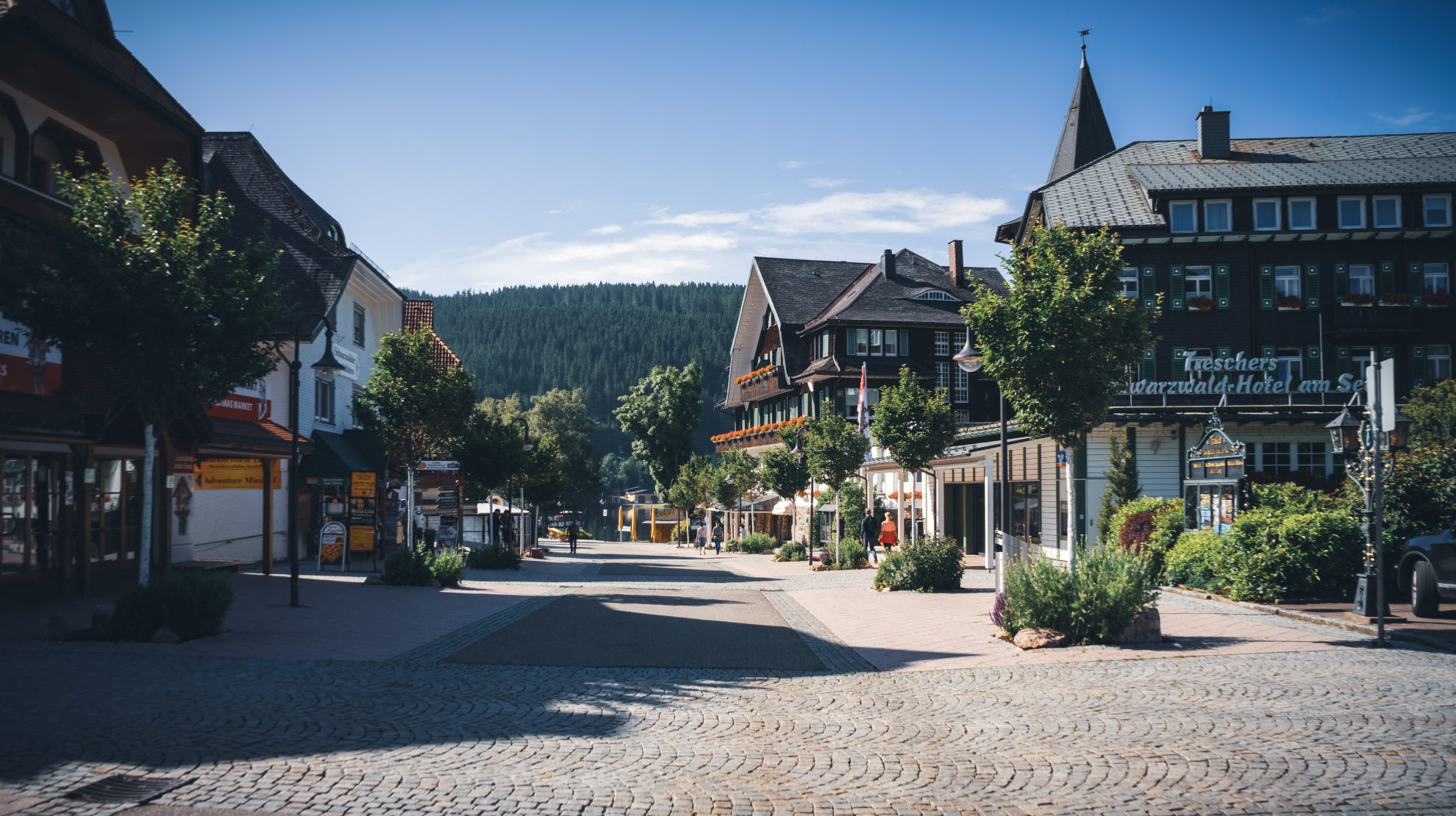
High German, or Hochdeutsch, refers to a group of German dialects spoken across central and southern German-speaking regions. These dialects belong to two main groups Central German and Upper German.
Both were affected by the High German consonant shift, also known as the Second Sound Shift, although the changes varied by region.
The word “High” refers to geography, not language quality. High German developed in the elevated regions of central and southern German-speaking Europe.
The term does not mean that these dialects are more correct or prestigious than other forms of German.
Bavarian, Alemannic, and Swabian are examples of High German dialects. In everyday speech, Hochdeutsch can also mean Standard German, the variety used in education and formal communication. The Duden dictionary recognizes both meanings.
What Is Low German (Niederdeutsch)?
Low German, also called Niederdeutsch or Plattdeutsch, is a regional language traditionally spoken in northern Germany.
It is used in areas such as Schleswig-Holstein, Lower Saxony, Hamburg, Bremen, and Mecklenburg-Vorpommern. Some related varieties are also spoken in the northeastern Netherlands.
The word “Low” refers to the flat northern lowlands, not the quality of the language. Low German includes several regional dialects.
Their vocabulary, pronunciation, and grammar can vary between communities. According to the University of Münster, the language has a long history dating back to Old Saxon.
During the Middle Ages, Low German was widely used in trade and written communication across northern Europe. It played an important role in the Hanseatic League.
Over time, its use in official writing declined. Today, people continue to speak it in regional communities, and Germany recognizes it as a regional language under the European Charter for Regional or Minority Languages.
What Are the Main Differences Between High German and Low German?
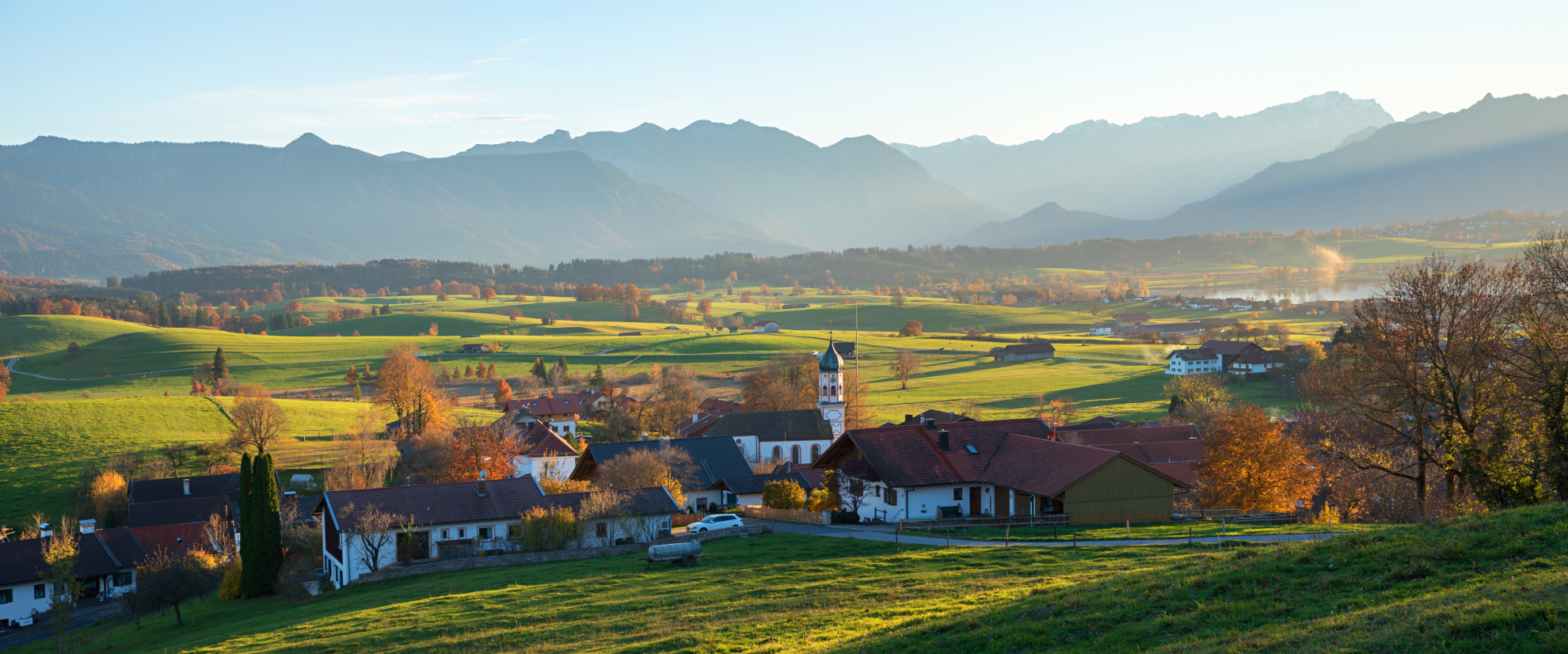
The main difference between High German and Low German is their geographic origin and pronunciation. High German developed in central and southern German-speaking regions.
Low German developed in northern Germany. The two also differ in vocabulary, grammar, and historical sound changes.
| Point | High German (Dialect Group) | Low German |
| Type | Central and Upper German dialect groups | Northern German regional language varieties |
| Geographic origin | Central and southern German-speaking regions | Northern German lowlands |
| Sound changes | Underwent the Second Sound Shift | Did not undergo the Second Sound Shift |
| Examples | Bavarian, Alemannic, Swabian | Westphalian, Eastphalian, Northern Low Saxon |
| Pronunciation | Certain consonants changed over time | Retains consonants unaffected by the shift |
| Variation | Differs across central and southern regions | Differs across northern regions |
The High German consonant shift is the main historical difference. It changed sounds such as k to ch in certain positions. For example, Low German uses maken, while High German varieties use machen (make).
Both groups have regional differences in vocabulary, pronunciation, and grammar. These differences developed over centuries. Some varieties can be difficult for speakers from other regions to understand.
The traditional division between High German and Low German remains important in linguistics, although regional speech patterns have changed over time.
How Did the High German Consonant Shift Affect the Dialects?
The High German consonant shift, also called the Second Sound Shift, changed certain consonant sounds in High German dialects. Low German, English, and Dutch did not undergo the same changes.
The sound shift affected different regions to varying degrees. Upper German dialects experienced the most changes. Central German dialects underwent fewer changes, while Low German remained outside the shift.
The Benrath line marks a traditional boundary between Low German and Central German.
These differences appear in common words. Low German uses maken for Standard German machen (make). It also uses Appel for Apfel (apple) and Schipp for Schiff (ship).
These examples show how certain consonants changed in High German varieties but remained unchanged in Low German.
This sound shift is one of the main historical features that distinguish High German dialects from Low German.
Why Do These Differences Matter for German Translation and Interpreting?
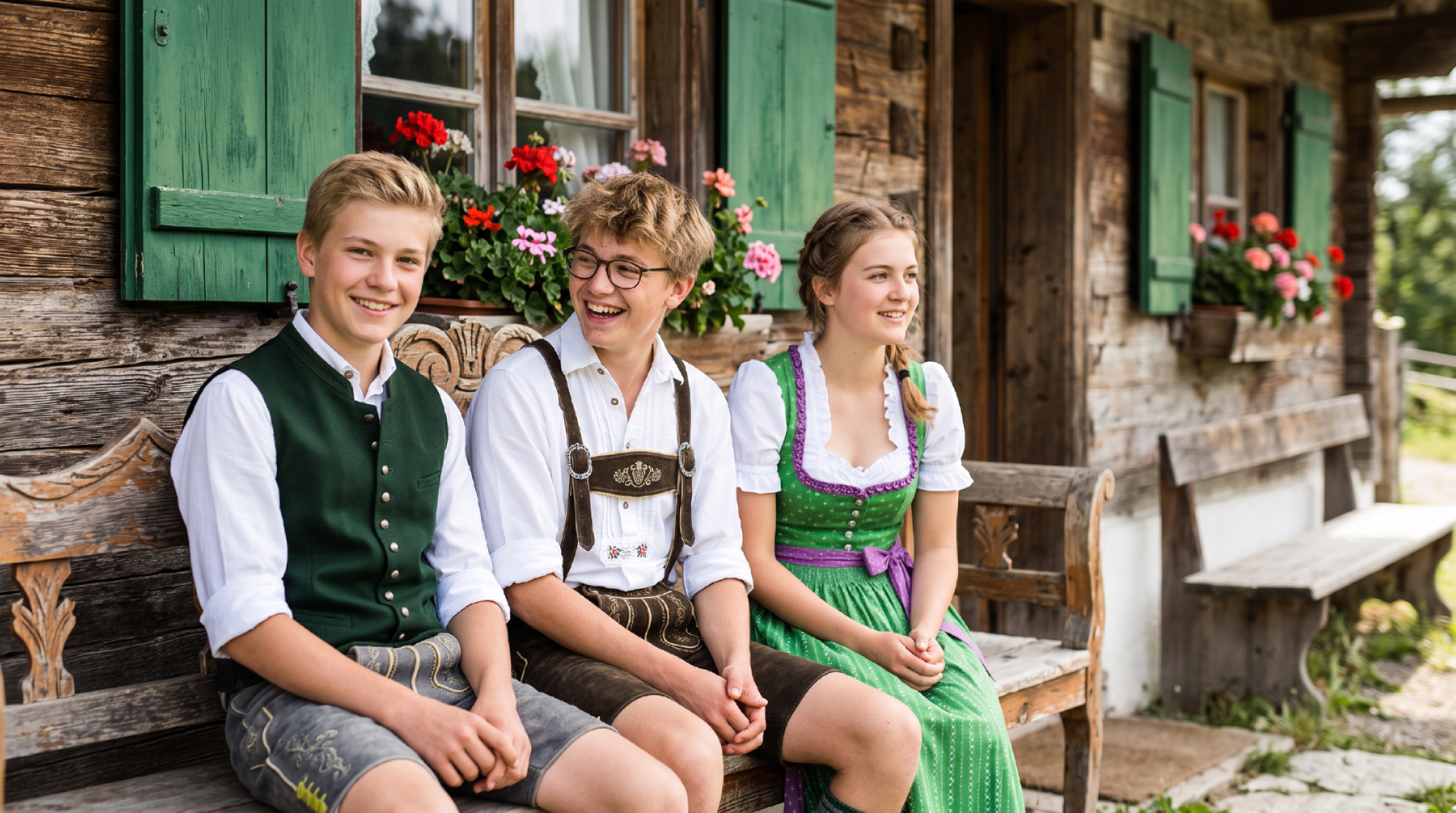
The differences between High German and Low German matter in translation and interpreting. Both have regional varieties with differences in vocabulary, pronunciation, and grammar.
Translators must identify the language variety used in the original text and consider the intended audience.
For example, Low German uses maken for machen (make) and Appel for Apfel (apple). These differences can affect how words and expressions are translated. A document written in Low German may require a translator familiar with that regional language rather than Standard German alone.
Interpreting presents similar challenges. Speakers may use Low German or regional High German dialects during conversations.
These varieties can be difficult for people from other regions to understand. An interpreter who knows Standard German may not understand every dialect.
The speaker’s region, language variety, and communication setting help determine which translator or interpreter is suitable for the project.
Can One Interpreter Understand Both High German and Low German?
Yes, an interpreter can understand both High German and Low German if they have the required language skills and experience.
However, knowing Standard German does not automatically mean an interpreter understands Low German.
High German includes regional dialects such as Bavarian, Alemannic, and Swabian. Low German has its own vocabulary, pronunciation, and grammar.
These differences can make communication difficult for speakers unfamiliar with either variety.
Low German also includes regional varieties such as Westphalian, Eastphalian, and Northern Low Saxon.
An interpreter familiar with one variety may not fully understand another. Knowledge of Standard German alone may not be enough for accurate interpreting.
When booking a German interpreter, mention the speaker’s region and the language variety being used.
This helps identify an interpreter with the appropriate language skills for the conversation.
Conclusion
High German and Low German developed in different regions and differ in pronunciation, vocabulary, and grammar.
The High German consonant shift is one of the main historical differences between them.
Understanding these differences helps you identify the appropriate language variety for your translation or interpreting needs.
Book a German Interpreter and translator With Capital Linguists
Capital Linguists offers German translation and interpreting services for businesses and individuals.
Our team can help you discuss your language requirements for business meetings, legal proceedings, documents, and other communication needs.

