
Uncategorized

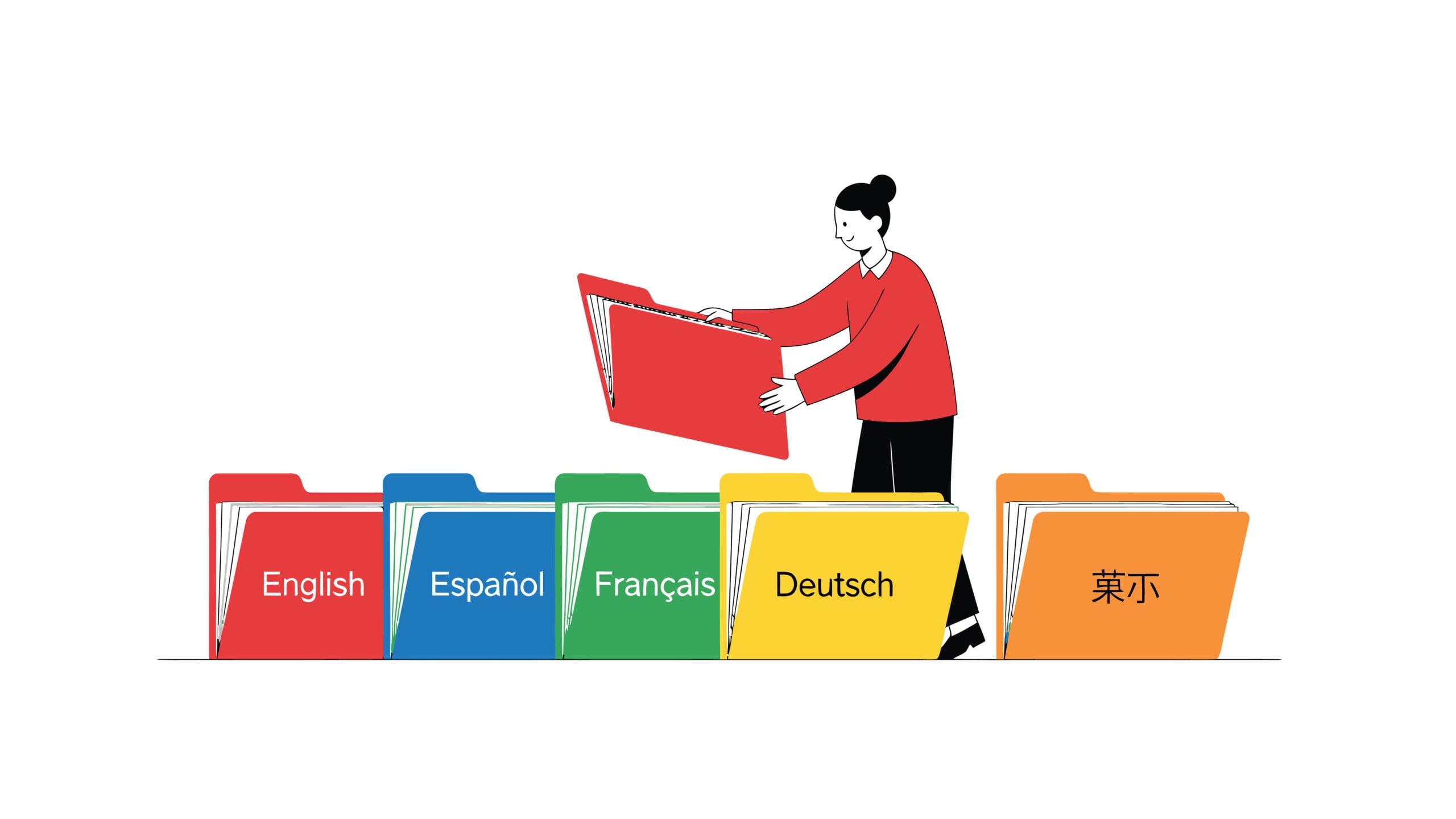
A illustration going through files in different languages

Transcreation vs Localization: What’s the Difference and When to Use Each

Transcreation vs localization: aren’t they the same thing? Transcreation and localization are certainly closely linked, but each one has its own goal and unique approach. Which one you need depends on whether you want to adapt your existing content so it functions well in another market, or recreate it fully. That is really the heart of the distinction. In this article, we’ll look at both approaches

Read More »
A medical report being analyzed by a person holding a pen

Medical Translation: What It Is and How It Works

Introduction Medical translation is how you turn medical documents into clear, accurate language so the right people can act on them without guessing. In the U.S., it comes up every day in patient records, referrals, discharge summaries, lab results, and insurance paperwork. If you’re sharing medical documents for treatment, a claim, or an official review,

Read More »
A person interpreting in the ears of another person.

Consecutive Interpreting: What It Is and When You Need It

Consecutive interpreting is when an interpreter listens first, then speaks after the speaker pauses, so you receive the message in your language in clear segments. It often includes specialized note-taking so details like names, numbers, and decisions stay accurate. If you’re booking language support for a legal, medical, business, or community appointment, this guide will

Read More »
A person taking notes while looking at his laptop during an interpretation

Dos and Don’ts of Note Taking for Interpreters

Dos and Don’ts of Note Taking for Interpreters (A Practical System That Works Under Pressure) Imagine you’re interpreting during a series of intense negotiations. Your mind goes blank for a couple of seconds, and you start to panic. Then you remember your notes. This is the power of effective note taking for interpreters – more

Read More »
Korean focus

How Korean Localization Helps Businesses Enter New Markets

When companies decide to enter the Korean market, Korean translation is only the start. Localization is what turns a translated product into something that truly belongs in Korea and among Korean-speaking communities, rather than something that simply happens to be in Korean. Done properly, localization helps businesses avoid embarrassing missteps and win trust with local

Read More »
French Localization Strategies for International Audien

French Localization Strategies for International Audiences

Spoken on five continents and used as an official language by governments, courts, and many international organizations, French is far more than the language of Parisian cafés. Centuries of trade, colonization, and diplomacy have scattered the language across Europe, Africa, North America, and as far as the South Pacific. That geographic reach means French comes

Read More »
From Nahuatl to Cora

From Nahuatl to Cora: The Role of Indigenous Languages in Mexican Culture and Communication

When people think of Mexico’s languages, Spanish often first comes to mind. While of course millions do speak Spanish, Mexico is also home to dozens of Indigenous languages, including Nahuatl, Mixtec, Zapotec, and Cora – languages for which professional interpretation services are often essential. Each contributes a distinct vocabulary, history, and set of social traditions. These

Read More »
Scroll to Top