Introduction
Medical translation is how you turn medical documents into clear, accurate language so the right people can act on them without guessing. In the U.S., it comes up every day in patient records, referrals, discharge summaries, lab results, and insurance paperwork.
If you’re sharing medical documents for treatment, a claim, or an official review, accuracy matters. Small wording shifts can change meaning. One missing unit or unclear dosage line can slow the process down fast.
In this guide, you’ll learn what medical translation is, how it works, which document types need extra care, and what to check before you submit anything.
What Is Medical Translation?
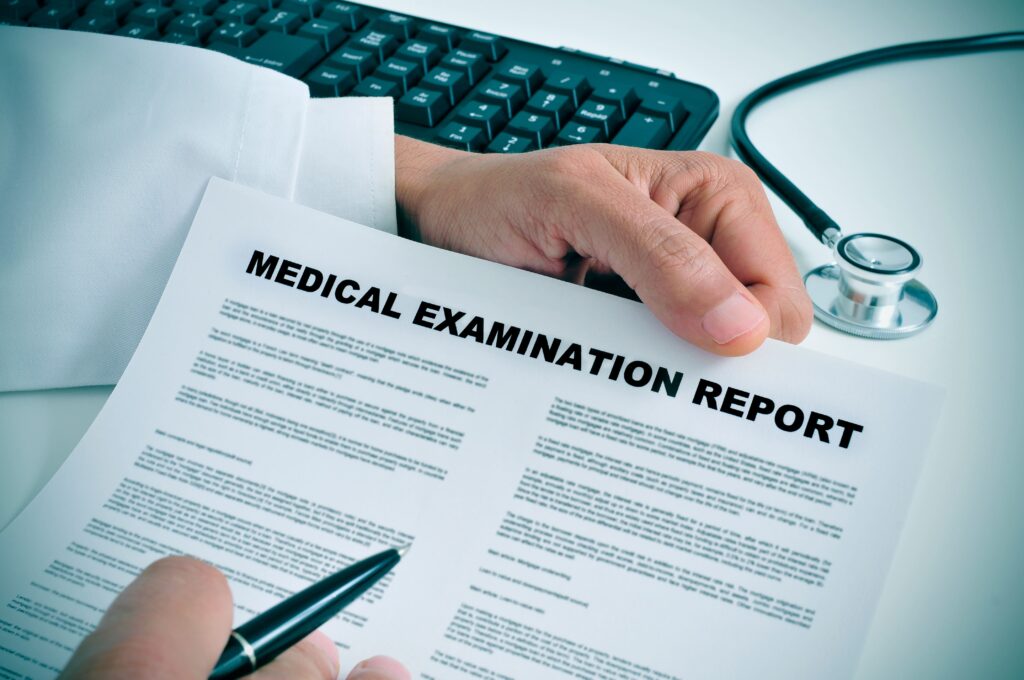
Medical translation is the translation of healthcare and life sciences documents into another language while keeping the meaning medically precise. It focuses on accuracy in terminology, instructions, and data so the translated document can be used safely and understood clearly.
It is different from the general translation.
In general content, small wording shifts may not matter.
Medical translation is different. Even a minor change can alter instructions, safety details, or the way a document is assessed.
Across the U.S., it plays a key role in healthcare delivery, pharmaceuticals, clinical research, and medical devices. It often includes patient records, clinical trial documents, pharmaceutical labels, and medical device IFUs.
Medical Translator vs Medical Interpreter
A medical translator works with written text. They translate documents like discharge summaries, lab reports, imaging reports, consent forms, and medication instructions so the meaning stays medically precise on the page.
A medical interpreter works with spoken communication. They interpret what is said during appointments, emergency room visits, admissions, follow-up calls, and telehealth visits, so the patient and provider understand each other in real time.
Sometimes you need both, and the difference is easy to see in day-to-day care. A patient visit may require an interpreter first, then written translations of discharge instructions, prescriptions, or a referral packet for the next provider.
The same pattern shows up with procedures too. The consent discussion happens live through an interpreter, then the consent form and post-op instructions are translated for the patient’s records.
Why Medical Translation Is Important
Medical translation is important because it keeps clinical meaning, instructions, and data accurate across languages, so documents can be used safely and accepted for care or official review. Small errors can affect patient safety, compliance, and decisions based on the record.
That risk exists because medical text is exact. A single wording shift can change intent. A missed unit, a decimal error, or a misread abbreviation can change what the document is telling the reader.
Medical content is hard to translate because it relies on complex terminology, dense acronyms, and drug naming differences across countries.
It also depends on precise units, reference ranges, and structured formatting in lab panels, tables, and prescriptions.
Medical Translation Regulation in the United States
In the United States, medical translations are not regulated by a single body. Depending on the context, they may fall under FDA rules, HHS Office for Civil Rights requirements, and CMS obligations for Medicare and Medicaid providers.
For FDA-regulated materials such as drug and device labeling, the FDA is the main authority.
Patient-facing healthcare translations are mainly governed by the HHS Office for Civil Rights.
For Medicare and Medicaid providers and hospitals, CMS reinforces those language-access obligations.
How Medical Translation Works (Step by Step)
Medical translation follows a repeatable workflow designed to protect meaning and reduce errors before anyone relies on the document. In the steps below, you’ll learn how the process keeps meaning consistent and catches errors before delivery.
Step 1 — Intake and Document Review
You start by clarifying what the document is for and who will read it. A patient-facing translation is written differently than a clinician record or a regulator-facing file.
Then you confirm any U.S. submission requirements like by and check the source for quality issues, especially scans, tables, and handwritten notes. If anything is unclear, you flag it early and resolve it before translation begins.
| Pro Tip
If your documents include labs or prescriptions, write out any unclear abbreviations before you send the files. For example, “OD” can mean “once daily” or “right eye,” depending on context. Expanding these upfront prevents avoidable meaning shifts in medical translation. |
Step 2 — Terminology Setup (Glossary + Style Rules)
Before the translation starts, you lock in the terminology glossaries and style rules the team will follow. That includes preferred medical terms, an abbreviations policy, drug naming rules for the target market, and clear units formatting so decimals and ranges stay consistent.
>
Terminology management is what keeps the wording stable across the whole file, and translation memory helps when it reinforces that consistency, not when it forces a phrase that does not fit the medical context.
Step 3 — Translation by a Medical Specialist
A medical specialist translates the document because the language changes by field. Cardiology is different from oncology, and medical device content is structured differently than clinical notes.
You use professional translators trained in that subject area, then write in clear, native-level target language so the final text reads naturally and stays medically precise.
Step 4 — Independent Editing and Proofreading
After the first draft, a second linguist reviews the translation and checks it against the source, line by line. This proofreading step catches meaning shifts, terminology drift, and small inconsistencies that are easy to miss when you are too close to the text.
For high-risk content, you add an optional medical reviewer so the final version stays medically precise and safe to use.
Step 5 — QA Checks That Catch Safety Issues
Quality assurance is where you confirm the translation is accurate, complete, and ready to use. You run a numbers and units pass to catch dosage, ranges, and decimal issues, then check terminology and abbreviation consistency so the wording stays stable across the document.
You also verify completeness so nothing is missing, and review formatting so tables, headings, signatures, and stamps stay in the right place for compliance and acceptance.
Step 6 — Final Delivery and Formatting
The final step is delivery in a format you can actually use. You keep a clean layout that matches the original, including tables and headings, so reviewers can find information fast.
You receive an editable file and a PDF, and if changes were made during review, you can request a simple change log for tracking.
Types of Documents That Need Medical Translation
Different documents need different handling, because the risks and review standards are not the same. In the sections below, you’ll see the most common files that require medical translation.
1. Patient Records and Hospital Reports
Patient records and hospital reports often need medical translation so clinicians can review history quickly and continue care without guessing. This includes discharge summaries, referrals, and progress notes that document decisions and next steps.
Diagnoses, procedures, dates, and clinician instructions must match the source exactly, because these details drive treatment, follow-up, and handoffs between providers.
2. Patient Consent Forms
Patient consent forms need medical translation so patients understand what they are agreeing to before treatment, a procedure, or a clinical trial. These documents explain the decision in plain terms, then capture approval in writing.
The risks, benefits, rights, conditions, and signature sections must match the source precisely, because the wording shapes understanding and consent.
3. Lab Reports and Pathology Results
Lab reports and pathology results include lab panels, pathology findings, and test results, often laid out in tables. They look straightforward at first glance, but the information is dense and tightly structured.
In medical report translation, the units, reference ranges, flags, and table structure must match the source exactly. If a value shifts into the wrong row, or a unit changes, the result can be interpreted the wrong way.
4. Radiology and Imaging Reports
Radiology and imaging reports need medical translation so clinicians can review findings clearly and make the right follow-up decisions. These reports include radiology findings, impressions, and structured write-ups that clinicians rely on to make decisions quickly.
In translation, anatomy terms must be correct, and laterality has to stay exact, left means left, right means right. Measurements must match the source, because they guide follow-up decisions and comparisons over time.
5. Prescriptions and Medication Lists
Prescriptions and medication lists are often translated so U.S. clinicians, pharmacies, and care teams can follow the patient’s current treatment without confusion. This includes prescribed medications, dosing instructions, and medication history lists.
In translation, dosage, frequency, route of administration, drug names, and contraindications must match the source exactly. A small wording shift can change how a medication is taken, or how a risk is understood.
6. Insurance and Claims Documentation
Insurance and claims documentation often needs medical translation so your paperwork can be reviewed and processed without delays. This includes medical necessity letters, claim forms, and supporting reports that explain the care and why it was required.
The dates, patient identifiers, and any codes shown in the source must match exactly, and the file must stay complete from start to finish. Missing pages, skipped lines, or inconsistent details are common reasons claims get held up.
7. Clinical Trials and Research
Clinical trials and research documents also need medical translation so study teams, sites, and participants can follow the same requirements across languages. This category includes protocols, ICFs, CRFs, and patient diaries used throughout the trial lifecycle.
In clinical trials documentation, consistency matters as much as accuracy. Key terminology must stay consistent across every document, because the same term should point to the same instruction, data field, and outcome each time.
8. Pharmaceutical Labels and Patient Information Leaflets
Pharmaceutical labels and patient information leaflets include packaging text, labels, and PILs that explain how a medicine should be used. These documents are read by patients and healthcare staff, so the language has to stay clear and medically precise.
In translation, indications, contraindications, dosage instructions, and warnings must match the source exactly. This is not the place for loose wording, because the text guides real use and safety decisions.
9. Medical Devices
Medical device manuals and Instructions for Use include IFUs, user manuals, training materials, and safety warnings tied to how a device is operated. These documents need medical translation when teams, clinicians, or patients must follow the same steps in another language.
Safety information must match the source exactly, including safety statements, step-by-step instructions, cautions, and specifications. If the wording shifts, the risk is not confusion, it is misuse.
Common Medical Translation Errors to Watch For
Even with a good workflow, a few common mistakes can slip into medical documents, and they’re the ones most likely to change the meaning or delay acceptance.
- Dosage and frequency wording: Dosage and frequency wording is a common source of misinterpretations because small phrasing changes can alter how a medication is taken. Terms like “once daily,” “every 6 hours,” and “as needed” need to be translated into clear, standard language that keeps the same timing and intent.
- mg vs mcg, decimal separators, units: mg vs mcg mistakes, decimal separators, and unit errors are some of the most dangerous mistranslations in medical documents. A missing zero, a comma instead of a dot, or the wrong unit can change a dose by a large margin, even when the medical terms look correct.
- Abbreviations with multiple meanings: Abbreviations with multiple meanings cause avoidable errors because the same letters can mean different things in different specialties and contexts. If an abbreviation is unclear, you should not guess, because that is how mistranslations happen.
- “False friends” between languages: “False friends” are words that look similar across languages but carry different meanings, which can trigger subtle misinterpretations in clinical text. This matters most with medical terms, where a familiar-looking word can point to the wrong condition, test, or instruction if it is translated literally.
- Copy/paste errors in structured reports: Copy and paste errors in structured reports are easy to miss because the layout looks right even when a value ends up in the wrong line. A single misplaced result, date, or label can create mistranslations that change how the report is read, especially in lab panels and imaging templates.
Can You Use AI or Machine Translation for Medical Translation?
Yes, you can use AI or machine translation for medical translation, but only for drafts with professional review before use. Do not rely on Google Translate output for patient instructions, consent forms, labelling, or safety content because small errors can change the meaning.
AI medical translation can support internal understanding and early drafts when accuracy is confirmed later. For anything that will be used or submitted, the safer approach is machine translation with professional post-editing and QA so terminology, numbers, and formatting stay medically precise.
Conclusion
Medical translation works when the meaning stays exact, the terminology stays consistent, and critical details like numbers and units do not shift.
A specialist workflow with terminology control, independent review, and QA helps protect patient safety and improves the chances your documents are accepted without delays.
If you need medical translation you can trust for patient records, consent forms, or clinical documentation, choose Capital Linguists.
Get a quote today and receive medically precise translations backed by strict QA. Explore Capital Linguists’ medical translation services now.

