Translation Quality Standards: What Are They and Why Do They Matter?

Translation quality standards are the frameworks and processes that help define what good translation looks like in professional settings. The problem is that many businesses still find it hard to judge quality with confidence, especially when terms like ISO-certified, revision, post-editing, and translation quality assurance are used without much explanation.   This article breaks down the
Read More »
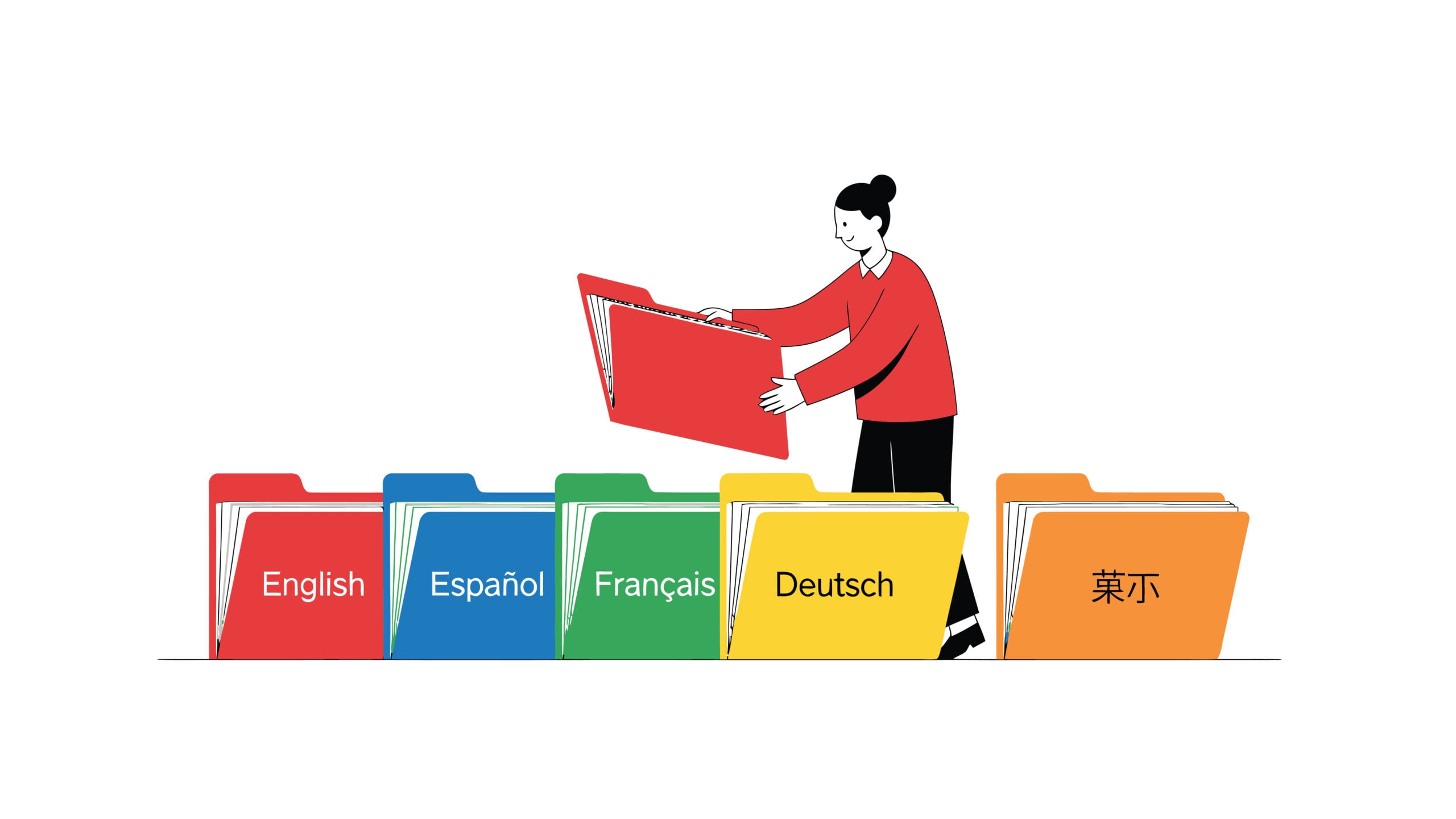
A illustration going through files in different languages

Transcreation vs Localization: What’s the Difference and When to Use Each

Transcreation vs localization: aren’t they the same thing? Transcreation and localization are certainly closely linked, but each one has its own goal and unique approach. Which one you need depends on whether you want to adapt your existing content so it functions well in another market, or recreate it fully. That is really the heart of the distinction. In this article, we’ll look at both approaches

Read More »
A person wearing an headset while providing interpretation services virtually.

The Types of Interpreting You Need to Know for Your Professional Needs

Interpreting is the live conversion of speech or sign from one language to another so people can communicate in real time. If you’ve ever been in a room where two people simply couldn’t understand each other, you know how quickly a skilled interpreter can change the outcome – turning confusion into a signed contract, a decision, or a productive

Read More »
Audience members listening to a panel discussion at a conference.

Conference Interpretation: What It Is and How It Works

Conference interpretation is professional interpreting for conferences and large multilingual meetings, where speakers and participants need to communicate clearly across languages in real time. It can be delivered through different modes, including simultaneous interpreting and consecutive interpreting, depending on the format, audience size, and time constraints. If you’ve ever watched a global conference and wondered

Read More »
A medical report being analyzed by a person holding a pen

Medical Translation: What It Is and How It Works

Introduction Medical translation is how you turn medical documents into clear, accurate language so the right people can act on them without guessing. In the U.S., it comes up every day in patient records, referrals, discharge summaries, lab results, and insurance paperwork. If you’re sharing medical documents for treatment, a claim, or an official review,

Read More »
A women conducting an remote interpretation session with her headphones and laptop on her lap.

Remote Simultaneous Interpretation: What It Is and How It Works

Remote simultaneous interpretation is a way to deliver simultaneous interpreting over the internet, so your audience hears the message in their language while the speaker continues talking.  It works through separate audio channels, so listeners can choose the language they need and follow in real time. This same setup is often described as online simultaneous

Read More »
A person interpreting in the ears of another person.

Consecutive Interpreting: What It Is and When You Need It

Consecutive interpreting is when an interpreter listens first, then speaks after the speaker pauses, so you receive the message in your language in clear segments.  It often includes specialized note-taking so details like names, numbers, and decisions stay accurate. If you’re booking language support for a legal, medical, business, or community appointment, this guide will

Read More »
A person taking notes while looking at his laptop during an interpretation

Dos and Don’ts of Note Taking for Interpreters

Dos and Don’ts of Note Taking for Interpreters (A Practical System That Works Under Pressure) Imagine you’re interpreting during a series of intense negotiations. Your mind goes blank for a couple of seconds, and you start to panic. Then you remember your notes. This is the power of effective note taking for interpreters – more

Read More »
Business team with translator discussing in office meeting

Translator vs Interpreter: What’s the Difference and Which One Do You Need?

Translators handle the written word, while interpreters work with spoken language. This is the basic distinction that lies at the heart of the translator vs interpreter debate. While both services are carried out by highly skilled linguists, it’s essential to select the right one. The wrong choice can prove costly and hinder communication. Translating legal

Read More »
Simultaneous Interpreting A Guide to Understanding It

Simultaneous Interpreting: A Guide to Understanding It

Introduction Simultaneous interpreting is when an interpreter listens and speaks almost at the same time, so you understand the message in your language while the speaker keeps going. It’s most commonly used in conferences and large multilingual meetings, which is why it’s often discussed under conference interpreting. If you are planning a multilingual event or

Read More »
Scroll to Top