Capital Linguists
Kaqchikel Interpreting &
Translation Services
Live Interpreters
Available by phone, video, or in person
Live Interpreters
Document Translation
Translate documents, books, or websites
Document Translation
Kaqchikel Interpreting & Translation Services
Need native-level Kaqchikel translators who understand legal, medical, or technical contexts? We’ve got them. At Capital Linguists, each of our skilled interpreters and translators has five-plus years’ sector experience, and every deliverable passes our ISO-backed QA checks, so your content is accurate, compliant, and culturally fluent.
From dialect-sensitive copy to consecutive or remote simultaneous interpreting, we cover the full-service spectrum – and we do it with people who know the cultural and regional differences that matter when communicating with Kaqchikel-speaking communities, whether in Guatemala, the United States, or beyond.
Get in touch at info@capitallinguists.com with the details of your project, or simply submit a quote request for assistance.
For prompt service, call (612) 817-7744, or email info@capitallinguists.com and we will contact you immediately.
Why Choose Capital Linguists? Our Promise to You…
Immediate Response
Our responsive customer service team can’t fail to impress. All questions are answered promptly and thoroughly. Every client has a dedicated Project Manager who will ensure a seamless experience from start to finish.
Great Value
Our clients come back time and time again, thanks to our combination of exceptional quality with affordability. We never compromise on accuracy, and you’ll be amazed at the excellent value for your investment.
Fast, Free Quote
Reach out when it’s convenient for you, and we’ll be happy to provide an immediate, free quote for all our Khmer interpreting and translation services.
Services We Offer
Interesting Facts About
the Kaqchikel Language
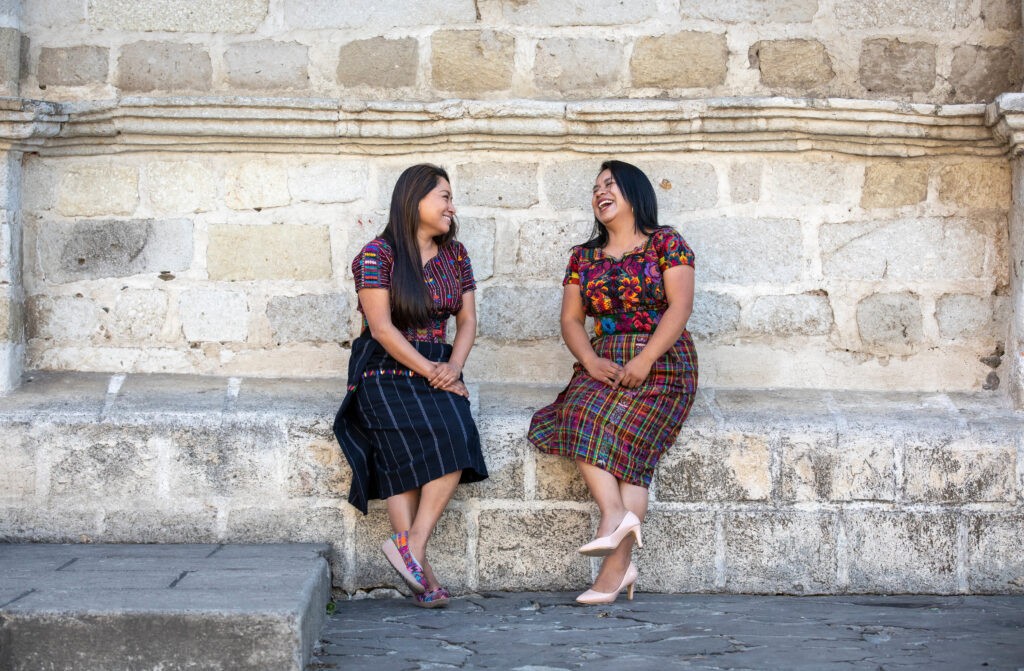
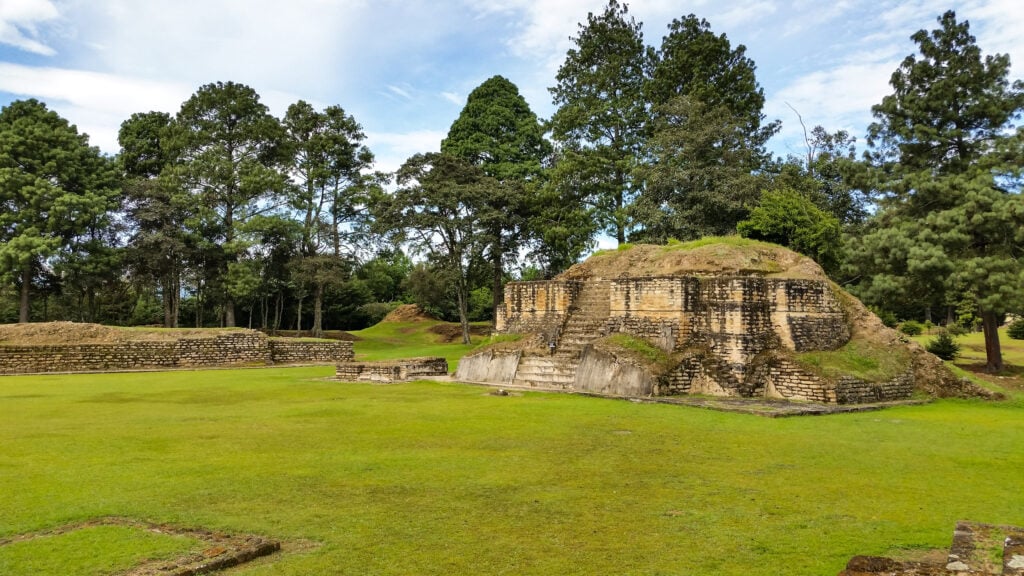
Kaqchikel is a Mayan language closely related to K’iche’ and Tz’utujil. Estimates vary considerably in terms of speaker numbers, with some suggesting there are around 450,000 native speakers in Guatemala, particularly in the central highlands, while broader estimates place the number closer to one million.
The Kaqchikel-speaking community is proud of the language’s resilience, having faced enormous pressure from Spanish in public life. Although bilingualism is common today, there are still considerable groups of monolingual Kaqchikel speakers. These groups are mostly found in isolated areas and among those with little formal schooling (as Spanish has been the language of education for some time).
Five Interesting Facts about Kaqchikel:
- Many Kaqchikel-speaking towns and villages can be found along Guatemalan tourist routes. This means speakers are used to interacting with visitors and researchers, as well as Spanish-speaking Ladinos.
- Speaking of researchers, there has been a lot of interest in Kaqchikel over the years, and not only because of its immense cultural value. It’s also because the language has an important grammatical profile that sheds light on broader questions about how languages encode person and aspect. Fieldwork on Kaqchikel has produced findings that feed back into general linguistic theory.
- Cosmology and spirituality are central features of Kaqchikel culture. This explains the significant community efforts to pass down knowledge and understanding, allowing future generations to grasp their importance and preserve these links to the ancestral past.
- On the grammar side, Kaqchikel shows patterns familiar to many Mayan languages: its clauses are organized in ways that are quite different from English, and the language’s basic or neutral word order is often described as verb-object-subject, a pattern that shapes how sentences are put together and how information is packaged.
- Kaqchikel is morphologically ergative in important respects. What does this mean? Well, the language marks grammatical relations differently than nominative-accusative languages do, and you’ll see this most clearly in how the verb signals who what and to whom.
NEED TO DISCUSS
YOUR REQUIREMENTS?
"*" indicates required fields
